
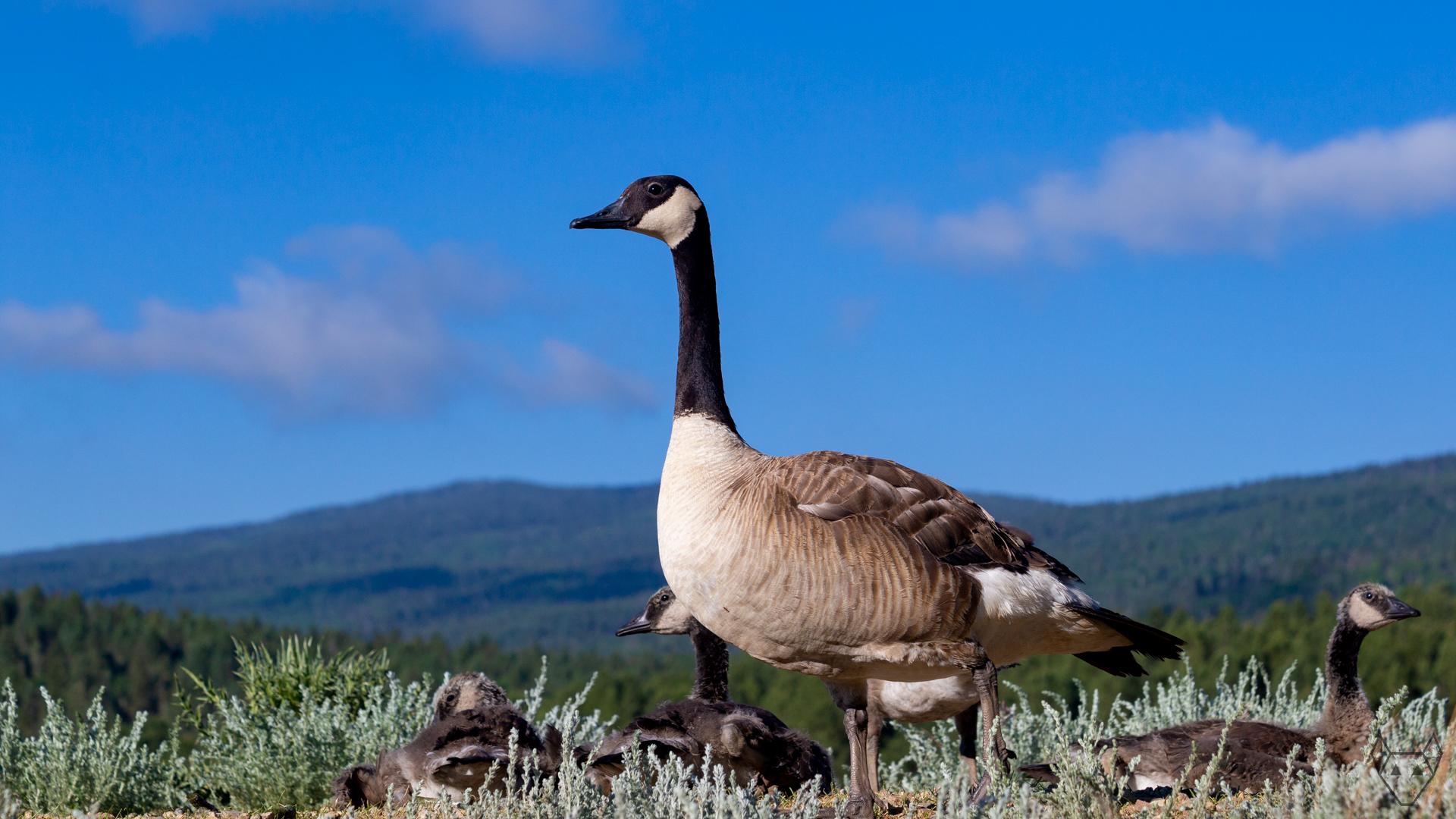
Walking in Circles is the world’s first named CHRONOTYCH: a unified body of images arranged to express the passage of time. Quietly and fabulously unfolding, a chronotych connects images. It is constructed upon a diptych, two images to build a mental bridge. The bridge expands into a triptych, three images where time is made visible. As the viewer moves through the chronotych, the mental bridge continues to grow and evolve.
Walking in Circles explores the circular nature of life and asks what safety, care, and continuity mean within a shared ecosystem. This project is structured as a visual narrative that revolves around Pinecone Lake through seasons and life stages in moments of fellowship, rupture, and repair.
Our planet is dominated by beautiful nature. Valleys of green, mountains reflected off blue alpine lakes, and golden sand dunes are shattered with starvation and violence. The horror is overwhelming, but that is not where the answer lies.
What we learn in nature is different from what we learn in desperation. This work emerged from my experience of walking the same path around a small mountain lake witnessing cycles of birth, vulnerability, protection, and transformation among wildlife, and recognizing these patterns as mirrors of human society. Then, human society attacked: Chapter III – Sorrow, documents an act of deliberate cruelty toward an animal and the collective effort required to undo that harm. This moment reframes the work from quiet observation into ethical witness.
Walking in Circles does not advance toward resolution; it returns. The same ground reappears in altered light, the same figures recur in a cycle of growth, and meaning accumulates through time. When we linger in nature, we discover that life is a rare and sacred gift. A gift that includes natural disasters and death, but with our twenty-first century knowledge, starvation and violence are a choice. Life will always contain sorrow, but science is our shield—allowing us to understand, protect, and intervene with compassion because life should not be shackled with sin, but liberated with curiosity and gratitude.